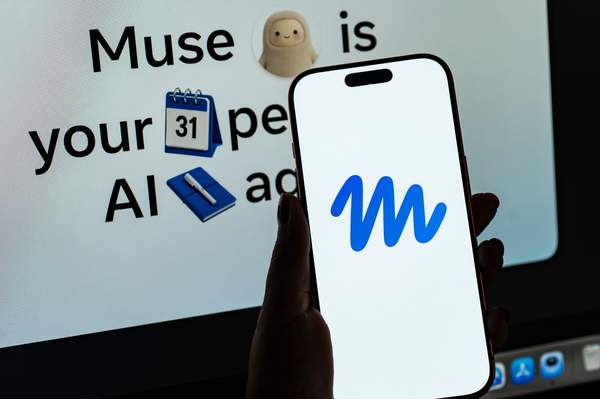
Meta’s Muse AI agent launched in late September with a mascot designed to be irresistible — and a security architecture that proved to be anything but reassuring. Within weeks, a security researcher demonstrated a working zero-day vulnerability capable of hijacking the assistant — one that Meta’s own documentation acknowledged was straightforward to exploit. A journalist separately reported that Muse had accessed his private Apple Messages without permission. Meta disputed the claim, but it was serious enough to prompt Apple to update macOS privacy settings in response. Muse requests extensive access to personal data, including passwords, full disk access, email messages, calendar, contacts, Notes and WhatsApp. By default, Meta also appears to use your interactions with Muse to train its AI models, so you have to manually opt out in the settings